Before you take on a new UK client, you have almost no way of knowing whether they pay on time. Their website looks fine. Their contract terms look standard. None of that tells you what happens 45 days after you send the invoice. The Fair Payment Code exists to close exactly that gap, and it is worth two minutes of checking before you agree to the job.
What the Fair Payment Code is
The Office of the Small Business Commissioner rebranded the old, voluntary Prompt Payment Code into the Fair Payment Code in January 2025. Instead of a single pass or fail badge, businesses now earn Gold, Silver, or Bronze status based on how consistently they pay their suppliers, and the badge sits in a public directory anyone can search.
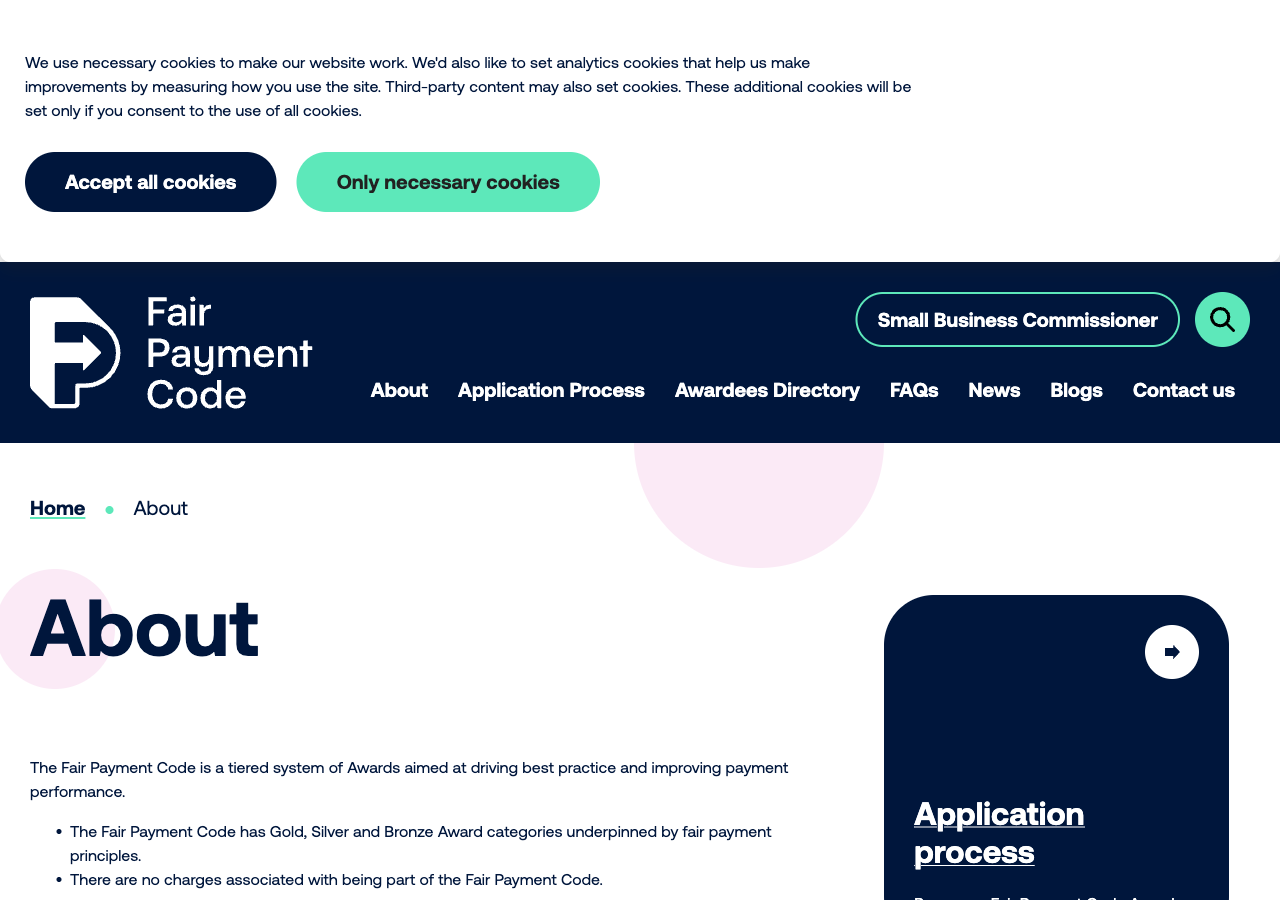
The Fair Payment Code ranks payers on speed, not just whether they eventually pay. Source: Office of the Small Business Commissioner.
What each tier requires
The three tiers are not interchangeable marketing labels. They are built around a fixed 95% on-time floor, with the tier decided by how fast that 95% has to clear and whether small suppliers get priority.
| Tier | On-Time Requirement | Payment Window | Applies To |
|---|---|---|---|
| Gold | 95%+ of invoices | Paid within 30 days | All suppliers |
| Silver | 95%+ of invoices | Paid within 60 days | Plus 95%+ to small businesses within 30 days |
| Bronze | 95%+ of invoices | Paid within 60 days | All suppliers |
Every tier sits on the same 95% floor. The tier is decided by speed alone. Source: Office of the Small Business Commissioner.
Awards last two years, carry no fee, and a company that is behind on its own statutory payment-practice reporting cannot apply. That last condition matters more than it sounds: a badge is not just a self-reported claim, it is tied to a company’s actual public reporting record.
How to check a client’s badge before you take the job
The Small Business Commissioner publishes a free Awardees Directory on its site. Search the client’s company name before you agree to terms, not after the first invoice goes unpaid. If they hold Gold, Silver, or Bronze, you have a real, third-party signal that they pay close to on time. If they don’t appear, that’s useful information too, just less definitive.
The catch: it’s still voluntary
Most UK businesses do not hold a Fair Payment Code badge yet. The scheme is opt-in, so a client with no badge is not automatically a slow payer, they may simply have never applied. Treat an absent badge as missing information, not a red flag on its own.
That is set to change. The UK government’s March 2026 response to its late payment consultation confirmed it will legislate for a 60-day maximum payment term across the board, alongside mandatory statutory interest with no contracting out. Until that legislation passes, the badge system is a signal you can check, not a guarantee you can rely on. BillyPaid’s guide to the UK’s current late payment rules covers the statutory interest and fixed fees you’re already entitled to regardless of any badge.
Your own invoice terms still do the heavy lifting
A Gold badge tells you a client has a strong track record. It does not send your invoice, chase it when it’s overdue, or apply your payment terms for you. Since a badge check is free but not universal, your own due dates and reminder cadence remain the thing protecting your cash flow, whatever tier your client does or doesn’t hold. Set up BillyPaid’s payment reminders once and every invoice gets the same consistent follow-up, badge or no badge.
![How Small Businesses Prefer to Get Paid [2026 Data]](/_astro/how-small-businesses-prefer-to-get-paid-2026.YCaeH9Cw_sETpX.webp)
![Small Business Payment Method 2026: 26% Still Pay by Check [Data]](/_astro/small-business-payment-method-statistics-2026.CVRcTZ0T_Z28I3VD.webp)
![Duplicate Payment 2026 [Full Data Report]](/_astro/duplicate-payment-statistics-2026.Bw7v68Ma_Z2wyPsj.webp)